Temporary confusion
A staring spell
Uncontrollable jerking movements of the arms and legs
Loss of consciousness of awareness
Psychic symptoms such as fear, anxiety or deja vu
Symptoms vary depending on the type of seizures. In most cases a person with epilepsy will tend to have the same type of seizures each time, so the symptoms will be similar from episode to episode.
What causes a person to have Epilepsy:
Epilepsy has no identifiable cause in about half the people with condition. In the other half, the condition may be traced to various factors, including:
Genetic influence
Head trauma
Brain condition
Infection diseases
Prenatal injury
Developmental disorder
Risk:
Age
Family history
Head injury
Stroke and other vascular diseases
Dementia
Brain infections
Seizures in childhood
Complications:
Having a seizure at certain times can lead o circumstance that are dangerous to yourself or others:
Falling
Drowning
Car accidents
Pregnancy complications
Emotional health issues
Other life threatening complications of epilepsy are uncommon, but may happen such as:
Status epilepticus
Sudden unexpected death in epilepsy
What medication can people take with epilepsy take;
Narrow-spectrum AEDs
Narrow-spectrum AEDs are designed for specific types of seizures. These drugs are used if your seizures occur in a specific part of your brain on a regular basis. Here are narrow-spectrum AEDs, listed alphabetically:
Carbamazepine ( Carbatrol, Tegretol, Epitol, Equetro)
Clobazam ( Onfi)
Diazepam ( Valium, Diastat)
Divalproex (Depakote)
Eslicarbazepine acetate ( Aptiom)
Ethosuximnde ( Zarontin)
Gabapentin ( Neuorontin, Gralise)
Larosamide ( Vimpat)
Methsuximide (Celontin)
Oxcarbazepine (Trileptal, Oxteallar XR)
Peranpanel (Fycompa)
Phenobarbital
Phenytoin (Dilantin, Phenytek, and others)
Pregabalin (Lyrica)
Rufinamide (Banzel)
Tiagabine hybrochkoride (Gabitril)
Vigabatrin (Sabril)
Side effects:
Some are more severe than others. Mild side effects can include:
Tiredness
Dizziness
Weight gain
Thinning bones
Rashes
Clumsiness
Trouble talking
Trouble remembering things
Trouble thinking
More serious side effects can be:
Severe rash
Inflammation in organs like your liver
Depression
Seizure Medication:
Your doctor will likely want you to try this first. It work for about 7 out of 10 people with epilepsy. Epilepsy medications, sometimes called anti-seizure or anticonvulsant medication change the way your brain cells and send messages o each other.
The kind of medication your doctor suggest depends on a few things:
The type of seizures you have
How likely it is you'll have more seizures
Your age
Your sex
Other medical condition you have
If you want to get pregant
What are the treatments for epilepsy:
Ketogenic diet:
This diet is high in fats and low in carbohydrates. Your doctor may suggest it, depending on the type of seizures you have. But it ins't something you should try to do yourself. Talk to your doctor and a nutritionist first.
Usually the ketogenic diet is given to children when medication hasn't helped their seizures, but some studies show that it can also work for adults.
It can make you feel sluggish at first. Later side effect may include:
Kidney stones
High cholesterol
Dehydration
Constipation
Weight gain
Broken bone
Nerve stimulation
There are two kinds of nerve stimulation:
Vagus nerve stimulation
Responsive neurostimulation
Surgery
There are two main kinds:
Resective surgery
Disconnective surgery
Area's that research this condition:
Department of neurosurgery
Neurology research
Pediatric and Adolescent medicine research
Psyhiatry and Psychology research
Radiology research
Fast facts on epilepsy:
Here are some key points about epilepsy:
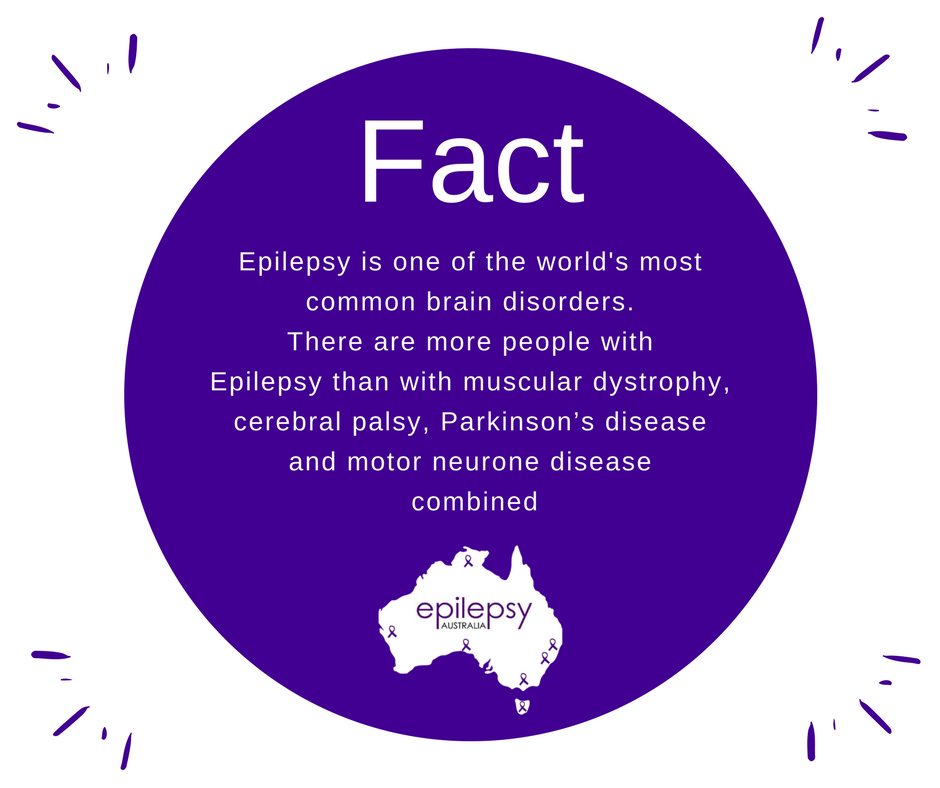
Epilepsy is a neurological disorder
Primary symptoms commonly include seizures
Seizures have a range of severity depending on the individual
Treatment include anti-seizure medication




No comments:
Post a Comment
Note: only a member of this blog may post a comment.